A brilliant circuit design does not always make a brilliant product. A board can pass every simulation and still cause trouble on the line. Pads that sit too close together. A part that goes out of stock. A test point you cannot reach. These are the sort of issues that turn a smooth build into an expensive one.
Design for Manufacture, or DFM, is how you catch them early. In this post we explain what a DFM review is, what it checks, and why it pays to run one before you commit to production.

Design for Manufacture is a review of your design through the eyes of the people who will build it. The goal is simple. Make the product easier, cheaper and more reliable to manufacture, without changing what it does.
A good DFM review looks at your Gerber files, your bill of materials and your assembly notes. It flags anything that could slow the build, raise the cost or hurt the yield. Then it suggests a fix. The best time to do this is before the first component is placed. Small changes on the screen are cheap. The same changes on a live production line are not.
Every electronics project has a point of no return. Once tooling is set and the first batch is running, changes get expensive. A DFM review moves the hard questions forward, to a stage where answers are quick and cheap to act on.
It also builds a shared understanding between your team and your manufacturer. You both know what the design needs, and you both know how it will be built. That alignment removes surprises later. Fewer surprises means faster delivery and a lower final cost. For engineers and product developers, it is the difference between a launch that runs to plan and one that slips.
A thorough review covers the whole design, not just the schematic. Here are the areas that matter most.
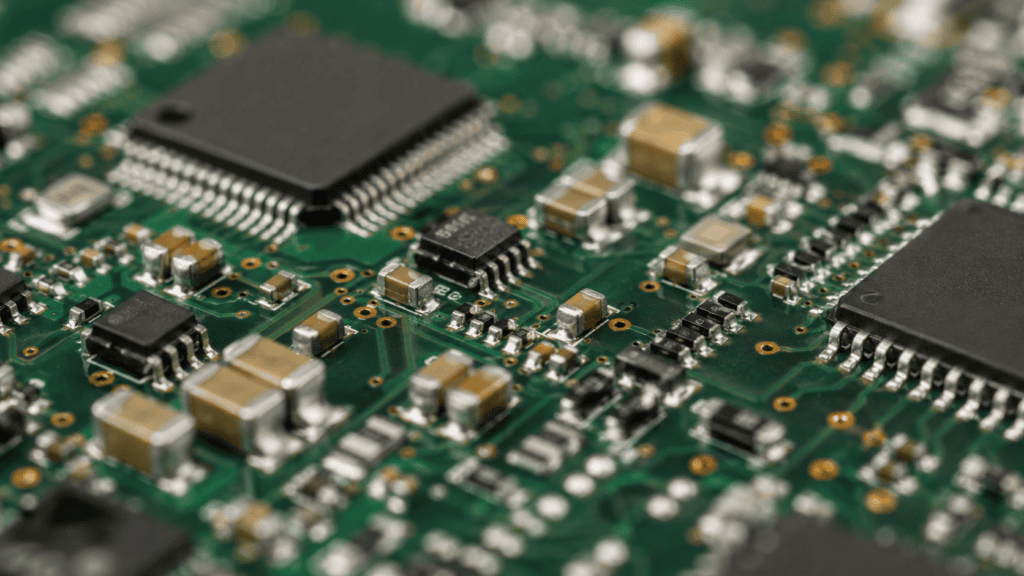
Footprints need to match the real parts. Placement needs to suit the assembly process. A review checks spacing, orientation and clearances. It looks for parts sat too close to the board edge, or too close to each other for the machine to place cleanly.
How the boards are grouped on a panel affects speed, waste and handling. A review confirms the panel suits our equipment and reduces the risk of damage during assembly.
A part that is hard to source can hold up a whole build. A review flags parts that are obsolete, on long lead times, or single-sourced. Where it helps, we suggest alternatives that fit the same footprint and function.
Some designs suit surface mount. Some need through-hole. Many need both. A review confirms the right mix and checks the design works with each process.
A board that cannot be tested easily costs more to test. A review checks for test point access and clear sight lines for inspection and test, so quality checks run smoothly across every unit.
Skipping DFM does not remove the problems. It just delays them, and moves them to the most expensive place to fix them. A footprint error found in production can mean scrapped boards. A sourcing gap found late can stall a whole order. A missed test point can slow every unit that follows.
The rule of thumb across manufacturing is well known. A problem tends to get around ten times more expensive to fix at each stage it slips through. Catching it at the design stage is always the cheapest option, by a wide margin.
Here is the part we are proud of. At Key-Tech, our DFM review is free of charge. We build it into our New Product Introduction (NPI) process, so every customer gets an expert set of eyes on their design before we quote for production.
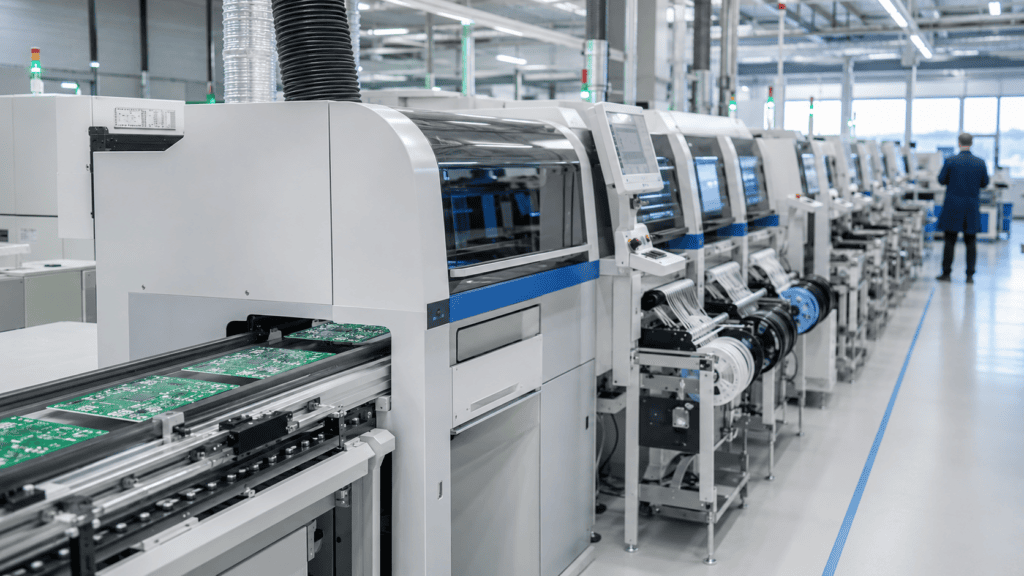
Our engineers have spent decades bringing electronics from concept to volume. They know where problems hide, and they know how to fix them without touching the innovation that makes your product yours. You get a clearer path to production, a lower total cost, and a partner who is invested in your design working first time. There is no catch and no fee. It is simply how we like to start a project.
If you have a design ready, or one that is close, we would be glad to take a look. Send us your files and we will run a DFM review at no cost, with clear feedback you can act on.