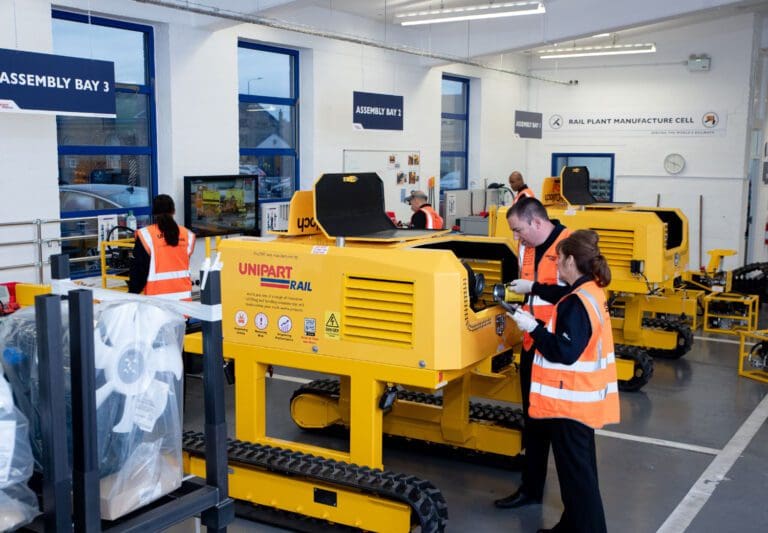
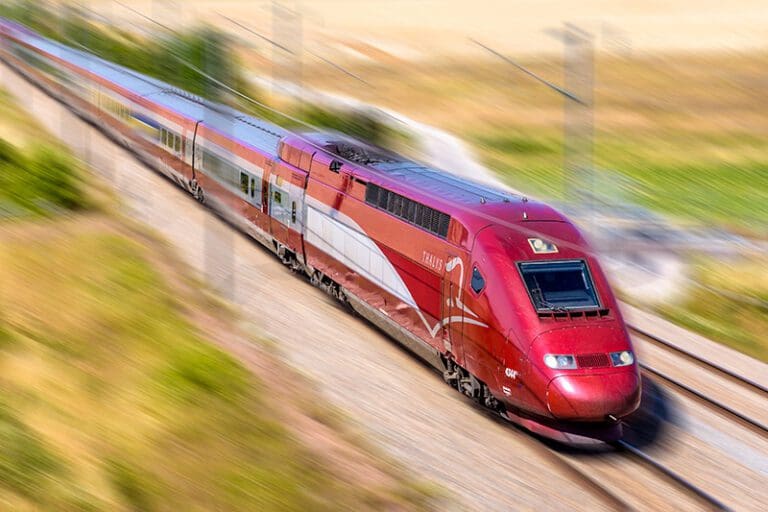
There's no calling a technician out every few months to fix things. Once a system is installed, it needs to just keep working. We've been manufacturing electronics for the rail sector long enough to understand what that really means. The passenger information display that updates at every station. The control systems managing points and signals. The monitoring equipment keeping track of track conditions. The communications hardware linking everything together. These aren't products that get replaced every couple of years. They're long-term installations that need to deliver reliable performance over extended lifecycles. Our customers in rail don't just need someone who can build electronics. They need a partner who understands the unique demands of the sector and can support products for the long haul.
Engineering for Longevity
When you're building electronics that might stay in service for twenty years or more, you think about things differently from the start. Component selection matters enormously because you need parts that will remain available, or at least have clear upgrade paths when obsolescence eventually hits. We work closely with rail customers during the design phase, flagging components with known end-of-life issues and suggesting alternatives with better long-term availability.
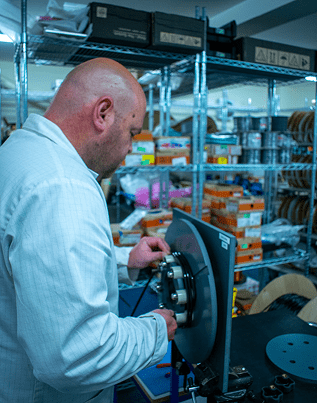
Our documentation standards reflect the reality that someone will need to service or replicate these assemblies years from now. We keep detailed records, maintain component traceability, and store build information in ways that make it accessible when you need it.
We've had customers come back five, seven, even ten years after an initial production run, needing additional units or replacement boards. Because we've kept proper records and maintained relationships with our suppliers, we can support these requests. That's the kind of continuity rail projects need.
Understanding the Operating Environment
Rail electronics don't live in climate-controlled server rooms. They live in signal boxes, in lineside cabinets, on platforms, sometimes even on rolling stock itself.
They experience temperature swings, vibration, moisture, dust, and electromagnetic interference from the railway environment. We've learned over the years what it takes to build electronics that cope with these conditions. Proper conformal coating to handle condensation.
Robust mechanical assembly to deal with vibration. Component selection that accounts for extended temperature ranges. Through-hole assembly where mechanical strength matters. Our testing processes verify that assemblies will handle the environments they're going into, not just work fine on a bench in our facility.
We maintain relationships with several rail sector customers who've worked with us for years. They keep coming back because they know we understand their world.
We're not just building electronics to a specification. We're building equipment that needs to work reliably in the real conditions of railway operations.
FAQs
Rail infrastructure depends on electronics that perform consistently over many years. We build control, monitoring, and signalling assemblies engineered for this demanding application.
Rail systems often operate for 20+ years. Our approach to component selection, documentation, and repeat manufacturing supports these extended timescales.
From passenger information systems to critical safety equipment, we produce PCB assemblies that meet the reliability standards rail applications require.
Rail electronics typically involve smaller quantities with repeat orders over time, a production model we're well-equipped to support.
We implement testing protocols appropriate to rail applications, validating functionality, environmental resilience, and compliance with industry standards.
All our manufacturing takes place in Scotland, giving you a domestic supply chain for rail projects requiring UK-sourced electronics.
Find more industries
Defence
Trusted by defence manufacturers for mission-critical electronics. Each industry presents unique challenges — and Key-Tech provides the expertise to overcome them.
Engineers and product developers need manufacturing partners who speak their language. People who understand the challenges of taking a design from concept to production.
Lorem ipsum dolor sit amet, consectetur adipiscing elit, sed do eiusmod tempor incididunt ut labore et dolore magna aliqua. Ut enim ad minim veniam, quis nostrud.