Conformal coating in the UK is how your electronics survive the places they end up. Any assembly that meets moisture, dust, salt spray, chemicals or temperature swings risks corrosion, shorts and early failure, so at Key-Tech we apply a thin protective barrier that keeps those threats off your circuitry and extends its working life.
A Barrier Against Harsh Environments
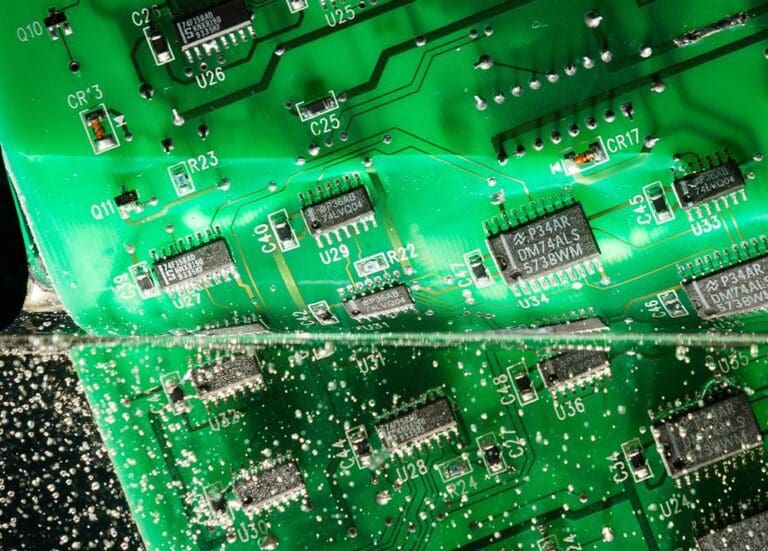
Conformal coating provides a protective barrier that shields your electronics from environmental stress, significantly extending operational life and reliability in harsh conditions. Our precision coating service applies uniform, controlled layers to your assemblies, following IPC-CC-830 and your own specifications to ensure full protection without compromising functionality or future serviceability.
Protection for Demanding Environments
The decision to conformally coat assemblies isn't about whether your product might encounter environmental stress. It's about recognising that it definitely will. Moisture condensation occurs in any environment with temperature fluctuations. Dust and particulates are present in industrial settings. Salt spray affects coastal and marine installations. Chemical exposure is unavoidable in many industrial processes. Conformal coating creates a protective barrier against all these threats. Moisture ingress that causes corrosion, conductive contaminants that create shorts, chemical exposure that degrades components, fungal growth in humid environments, and physical damage from abrasion or handling. Different coating materials offer different properties. Acrylic for easy rework, urethane for superior chemical resistance, silicone for extreme temperature performance, or parylene for the ultimate in protection and coverage. We help you select the appropriate coating material for your specific application environment. We balance protection level, cost, and serviceability requirements.
Moisture and corrosion protection
Coated to IPC-CC-830
Longer service life
Precision Application Process
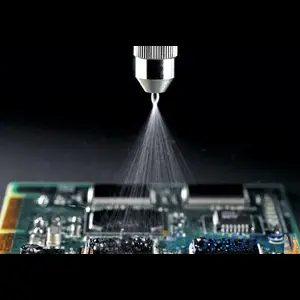
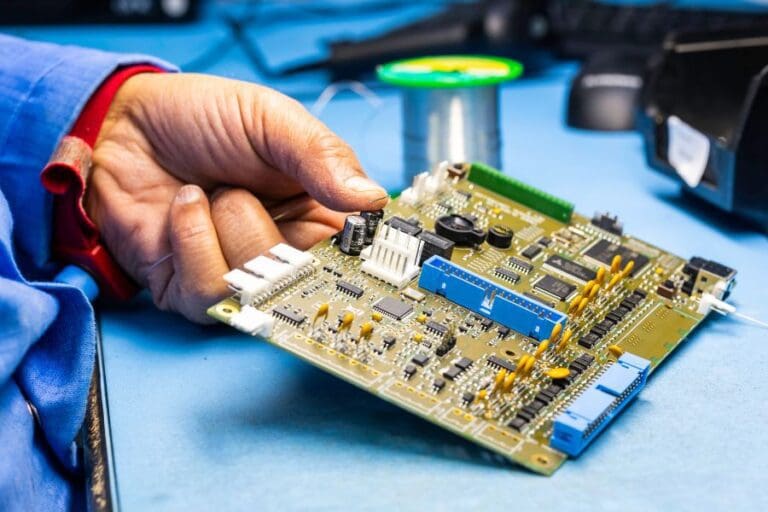
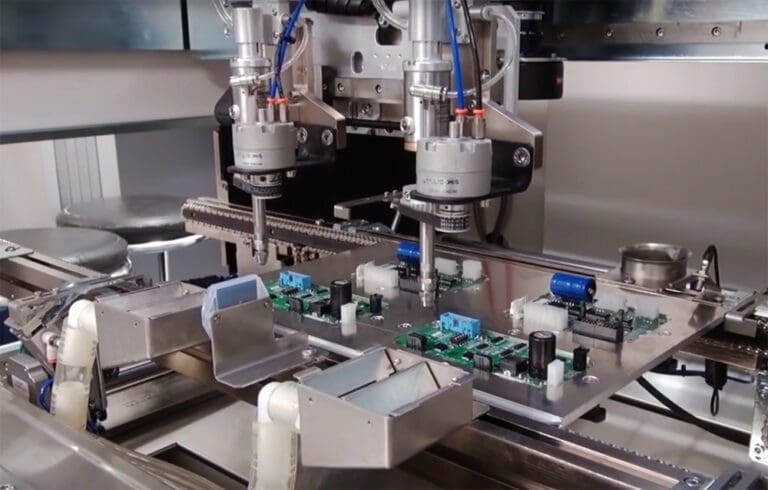
Conformal coating effectiveness depends entirely on proper application. Coverage must be uniform and complete while avoiding areas that must remain uncoated. Connectors, test points, adjustment controls, and heat sinks all need special attention. Our coating process begins with careful masking to protect areas requiring electrical contact or mechanical interface. We use selective coating methods. Spray application for large areas, brush application for touch-up work, and automated dispensing for precise edge control. Coating thickness is monitored and controlled to ensure adequate protection without excessive build-up that could trap contaminants or create stress on components. After application, proper curing is essential. We follow manufacturer-specified cure schedules to ensure the coating achieves full mechanical and chemical properties. The result is assemblies with uniform, complete protection that extends service life and reliability in environments where uncoated electronics would fail prematurely. For products requiring field service or repair, we can apply coatings that allow rework while still providing excellent protection during normal operation. We coat both by hand and with automated Nordson equipment at our facility in Kirkcaldy, Fife, choosing the method that best suits your product and volume.
FAQs
We work with acrylic, polyurethane, silicone and parylene coatings. We help you choose the right one by balancing the operating environment, protection level, reworkability and cost.
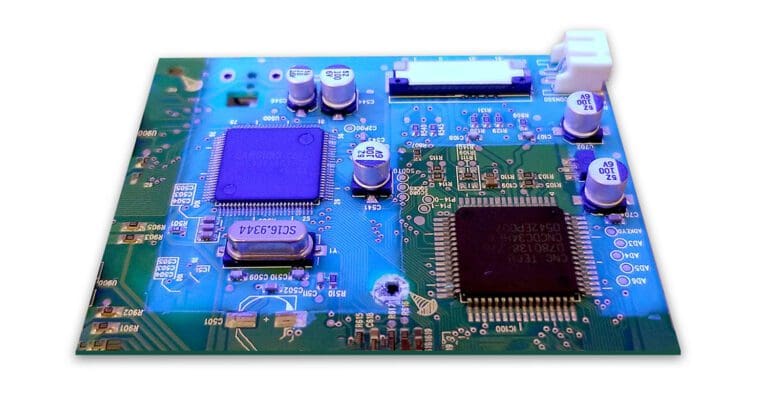
We mask connectors and test points first, apply the coating by spray, brush or automated dispensing depending on the job, and control thickness throughout. Every board is then inspected under UV light to confirm complete, even coverage before it ships.